Business hour
Our support available to help you 24 hours a day, seven days a week.
Monday-Friday: 9am to 5pm
Saturday: 10am to 2pm
Sunday: Closed
Monday-Friday: 9am to 5pm
Saturday: 10am to 2pm
Sunday: Closed
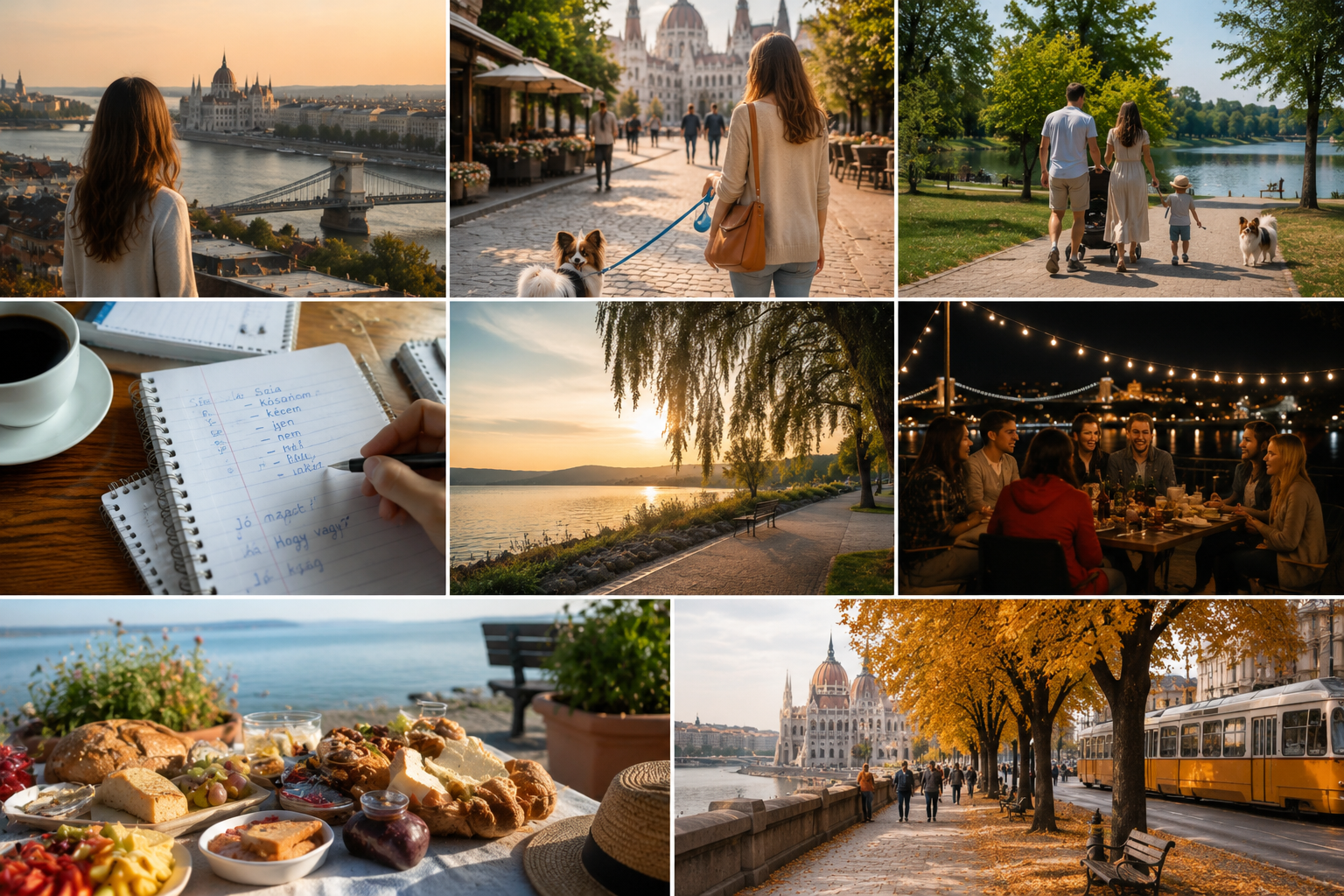
A story by Nina Begesh, a communications and administration professional and a holder of the Hungarian Diaspora Scholarship. Nina is of Hungarian origin on her father’s side and she has been living in Hungary since 2023. She strongly identifies with Hungarian culture, traditions, and values, and supports the mission of Hungarian communities across borders to preserve cultural identity and build meaningful connections within the global Hungarian network.
Some people grow up inside a culture naturally. They speak the language from childhood, celebrate traditions without thinking about them, and never question where they belong.
But for many people in the diaspora, the experience is different.
Sometimes culture exists only as a small part of family history — a surname, a few old stories, memories about grandparents, or recipes cooked during holidays. Over time, language can disappear and traditions slowly fade away.
In these situations, reconnecting with culture becomes a conscious choice.
I often think there is a big difference between inheriting culture and choosing it as an adult. When you choose it yourself, you pay attention to things differently. You listen more carefully, ask more questions, and value even small discoveries.
For many diaspora students, moving to Hungary is not simply education abroad. It is an emotional process of getting closer to something that once felt distant.
And the interesting thing is that choosing culture does not make the connection weaker. Sometimes it even makes it stronger. Because the connection is built consciously, through personal effort, curiosity, and real interest.
You start noticing details that others may take for granted — traditions, habits, holidays, food, ways people communicate. Little by little, these things stop feeling foreign and become part of your own life too.
I think this is one of the most beautiful parts of the diaspora experience. It shows that culture is not only something we receive automatically at birth. Sometimes it is also something we find, build, and choose for ourselves later in life.
by Begesh Nina