Business hour
Our support available to help you 24 hours a day, seven days a week.
Monday-Friday: 9am to 5pm
Saturday: 10am to 2pm
Sunday: Closed
Monday-Friday: 9am to 5pm
Saturday: 10am to 2pm
Sunday: Closed

A story by Nina Begesh, a communications and administration professional and a holder of the Hungarian Diaspora Scholarship. Nina is of Hungarian origin on her father’s side and she has been living in Hungary since 2023. She strongly identifies with Hungarian culture, traditions, and values, and supports the mission of Hungarian communities across borders to preserve cultural identity and build meaningful connections within the global Hungarian network.
When I first moved to Hungary to study, my experience with Hungarian cuisine was very simple — and quite funny, if I look back now.
I lived in a student dormitory, and cooking in the shared kitchen was not always easy. So my meals were usually quick and basic like virsli (sausages).
In a way, I started discovering Hungarian cuisine not in restaurants, but in ordinary grocery stores. I was curious, trying new products, reading labels, and slowly getting used to new flavors. Paprika, of course, quickly became something very familiar.
Later, I began to try more traditional dishes — in cafés, small restaurants, and when visiting friends. This is when I discovered some of the most well-known Hungarian meals: rich and warming gulyás (goulash soup), flavorful pörkölt (a meat stew), comforting töltött káposzta (stuffed cabbage), and the famous lángos, especially popular at markets and festivals.
But I can honestly say that I truly understood Hungarian cuisine only when I started living here with my family. It is one thing to try dishes outside, and something completely different to see how they are prepared at home.
I learned a lot from my husband, his sister, and especially his mother. Watching how they cook, how they combine ingredients, and how naturally everything happens — this is where the real culture lives.
For example, paprikás is something that almost every child loves. It is a soft, creamy dish with a rich paprika flavor — and it is almost always served with nokedli. This combination feels very warm and comforting.
There are also many everyday home dishes that you don’t always see in restaurants, but that are very common in Hungarian families. For example, rakott krumpli (layered potatoes with eggs and sausage) — simple, filling, and very homie dish. Or krumplifőzelék, a thick potato stew, often served with a piece of meat or sausage. These dishes are not fancy, but they feel very real and familiar.
Another dish I discovered at home is lecso — a vegetable dish made with peppers, tomatoes, and onions. It is simple, but full of flavor, especially in summer when vegetables are fresh.
Then there is halászlé, a traditional fish soup. It is especially interesting because in everyday life Hungarians do not eat fish very often, so this dish feels more special and connected to traditions and gatherings.
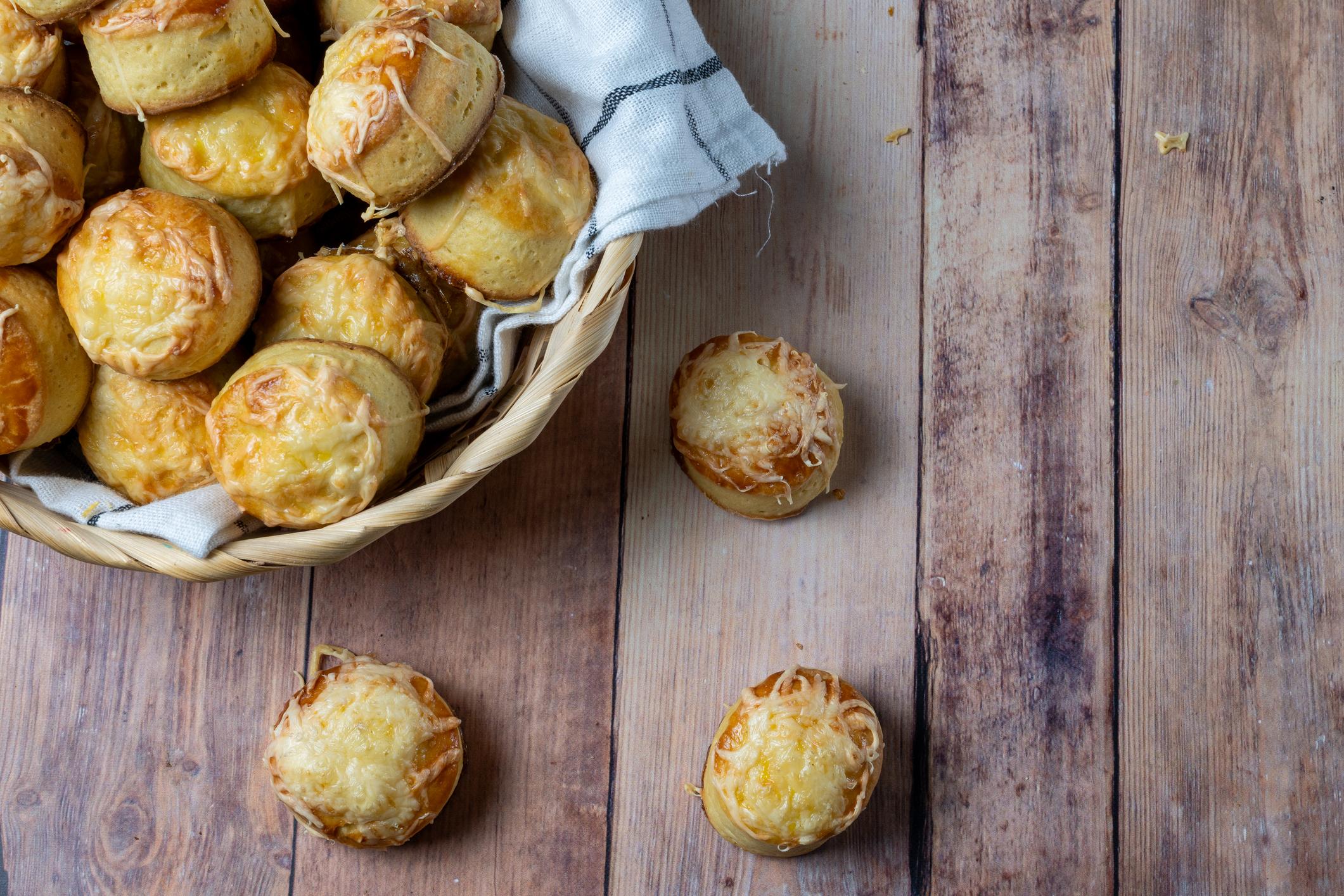
And of course, pogácsa — small savory pastries that are often baked at home when guests are coming. The smell of fresh pogácsa creates an immediate feeling of warmth and hospitality.
It is not only about famous dishes. It is about home cooking, shared meals, and the feeling of sitting together at the table.
For me, learning Hungarian cuisine was a journey — from very simple student meals to real family traditions.
by Nina Begesh